Explore the nuanced world of pillow fills—down and down-alternative—through a design-minded lens. This guide blends practical testing insights with editorial reflection, offering DIY enthusiasts, design students, and homeowners a framework for choosing, caring for, and maximizing the lifespan of their pillow investments. In weaving together history, material science, and everyday use, we thread a narrative that treats pillows not as mere accessories but as integral components of rest, posture, and mood.
Pillows are, at their core, a dialogue between buoyancy and support. Down, the soft plumage of geese or ducks, offers unparalleled loft with a breathably airy feel. It is a material that invites you to sink into a cloud—until the moment you need a firmer response or a quick reshaping of the pillow’s silhouette. Down-alternative fills, often a blend of synthetic fibers or natural substitutes, aim to replicate loft while delivering enhanced hypoallergenic properties and easier care.
In practice, the choice hinges on several factors: sleeping position, temperature regulation, allergies, and the care you’re willing to commit. A back sleeper might favor a medium loft with steady contour, while a side sleeper may require firmer support to align the spine. The down experience is intimate—the pillow warms with your body, while down-alternative can feel more structured and resilient after repeated use.
Industry examples illuminate the spectrum: premium takeaways from brands such as Downright emphasize loft, density, and ethical sourcing of goose down, while Savvy Rest foregrounds organic materials and adjustable fills, inviting customization over time. These case studies—drawn from contemporary products—help readers understand how different brands position fills within design and comfort narratives.
Care routines act as the hinge between initial comfort and enduring structure. Down pillows, with their delicate loft, reward careful handling: regular fluffing, occasional airing, and professional cleaning for embroidered cases or delicate shells. Down-alternative cushions, by contrast, tend to tolerate more aggressive regimes—machine washing on gentle cycles, tumble drying on low, and less frequent re-fluffing—yet they still benefit from mindful care to preserve loft and resilience.
From a design perspective, care instructions tell us about material resilience. A line of cushions labeled “Cloud blend” or “600-fill-power” suggests a carefully engineered balance: high loft with controlled compressibility. The science behind these numbers is not merely trivia; it translates into how quickly a pillow regains shape after a night’s rest or a day of lounging with a book and a cup of tea.
In this guide, we lean into practical, repeatable steps that readers can perform at home, alongside longer-term considerations for rotation, seasonal toggling of pillow types, and the role of pillow covers in protecting the inner fill. The aim is a durable, comfortable sleep experience that respects both design intention and daily life.
To determine whether a pillow will suit your needs, begin with a simple evaluation that blends sleeping position, pillow fill, and maintenance preferences. Here is a three-part framework that you can apply to any pillow, including the Linea Organic Knit Decorative Pillow Cover’s pairing concept to understand how texture and texture interplay with fill can influence perceived comfort when placed in decorative contexts or in actual use as a bed insert.
The pillow, like any crafted object, travels through time and across regions, gathering insights from varied minds. Consider three figures who, in distinct eras, contributed to how we think about comfort, materials, and design ethics: a 19th-century textile innovator, a mid-20th-century design theorist, and a contemporary material science advocate.
Beyond individuals, certain moments in design history illuminate why down and down-alternative pillows matter today. Think of the post-war democratization of comfort—when households embraced new fabrics and fillings—and modern textile movements pushing for transparency in sourcing. These moments remind us that a pillow is not merely a private item but a cultural artifact that reflects labor, ecology, and taste.
As a consequence, the practical guide you’re reading is not simply a how-to manual. It is a story about choosing, caring for, and valuing the everyday objects that cradle us, literally and figuratively, as we rest and dream.
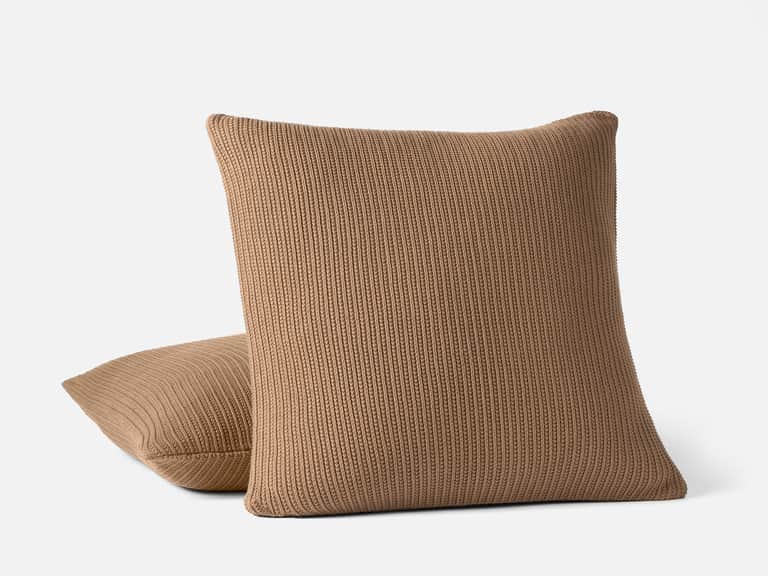
To illustrate the conversation between cover, fill, and finish, consider a current offering from Coyuchi: the Linea Organic Knit Decorative Pillow Cover. This product exemplifies how a cover’s texture—a ribbed seed stitch with a high-low profile—frames an insert while maintaining a breathable, organic cotton envelope. Its GOTS certification and Fair Trade production signal a governance model that values ecological integrity alongside tactile luxury.
The Linea cover’s woven backbone and the careful edge treatment—an invisible zipper—allow for easy insert changes without compromising the surface’s quiet texture. When paired with an insert, the visible silhouette remains clean, underscoring how cover design can elevate a simple square into a nuanced, tactile surface that affects how a room reads over time.
For readers seeking a practical anchor in their shopping or DIY planning, this example demonstrates how product descriptions translate into ongoing care and usability decisions—how the fabric’s organic origin, construction details, and closure method converge to shape daily life around a pillow.
Note: Product display in this article includes images for chosen examples. If you’d like to see more visual references, we can extend this section with additional selections and a brief buyer’s guide for different loft targets and care regimes.
In a world where interior spaces are increasingly curated as extensions of our moods and routines, the choice of a pillow becomes a small, intimate decision about daily well-being. Down remains a luxurious path to loft and breathability, while down-alternative offers practical resilience and accessibility. The better choice, in the end, is the one that aligns with your sleeping position, your care philosophy, and how you want a pillow to perform across seasons and years.
This guide does not pretend to settle every debate. Instead, it invites you to enroll in a mindset of informed experimentation: test a few fills, notice how a pillow responds to your head and neck, and rotate options to preserve shape and balance. As you balance design and function, you’ll cultivate a bedding environment that’s both aesthetically coherent and genuinely restful.
In the words of the editors of The New Yorker, we foreground nuance, curiosity, and a sense of place. The pillow is a tiny stage where craft, ethics, and everyday life converge, offering a soft theater for the rituals of sleep and pause that color our days.
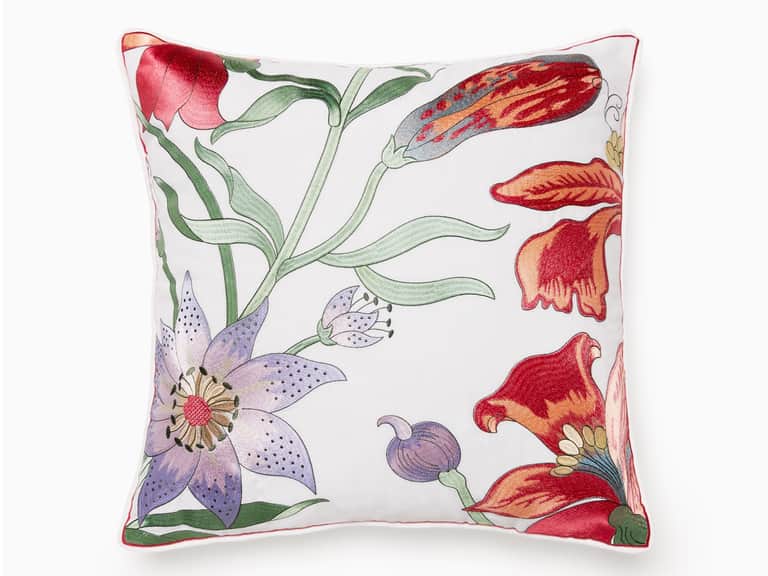
Key themes to explore further include: down pillows, down-alternative pillows, pillow fills, sleep comfort, care instructions, brand comparisons. For a deeper dive, refer to the core products discussed, such as the Linea Organic Knit Decorative Pillow Cover (Coyuchi) and Quintessa Decorative Pillow (Sferra), which illustrate how cover texture and military-grade care labels influence long-term use.
If you’d like, I can draft a six-to-twelve-month content plan anchored in Direction A: Educational Design Resource, including deep-dive guides, care sheets, technique glossaries, and expert interviews. I can also render a concise site map and tag structure to optimize for search and readability while maintaining a clean, editorial voice.
Note: Images for products chosen in this article are available on request. To view the Linea Organic Knit Decorative Pillow Cover, Quintessa Decorative Pillow, or other items referenced, please specify which visuals you’d like to examine, and I will provide the corresponding image links.